Dementia & Therapist Advice

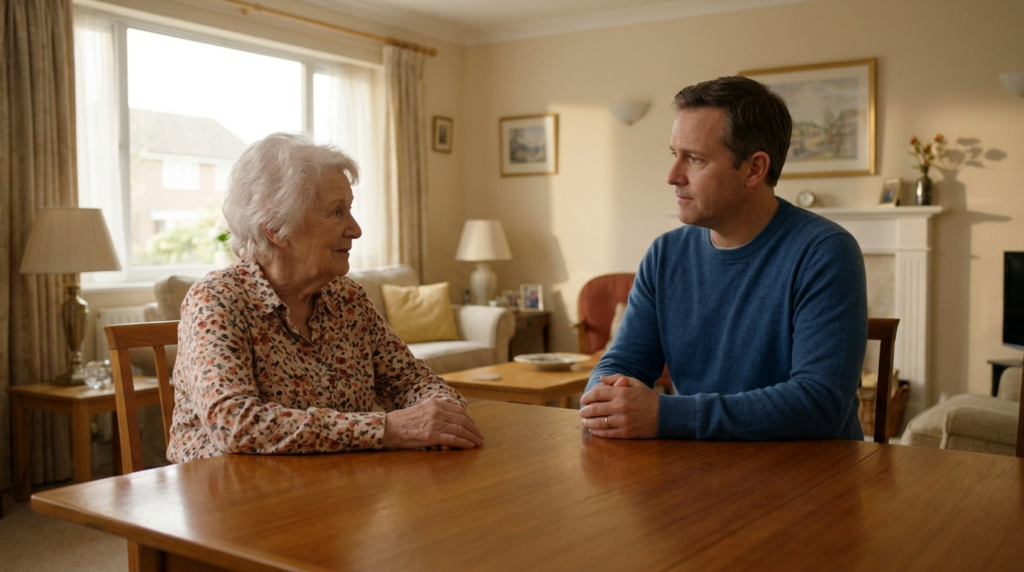
How to Communicate with Dementia Patients

How to Communicate with Dementia Patients:

How to Communicate with Dementia Patients: Communication is one of the most challenging aspects of dementia care. As the condition progresses, individuals may struggle to find words, understand conversations, or express their needs clearly. This often leads to frustration, confusion, and emotional distress for both the patient and the caregiver. However, effective communication is still […]

How to Communicate with Dementia Patients: Read More »
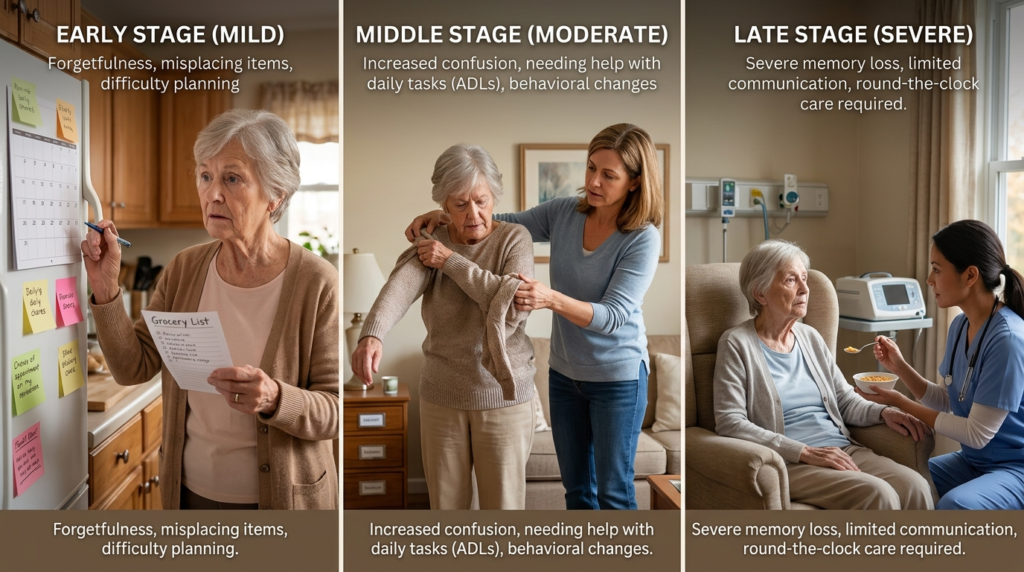
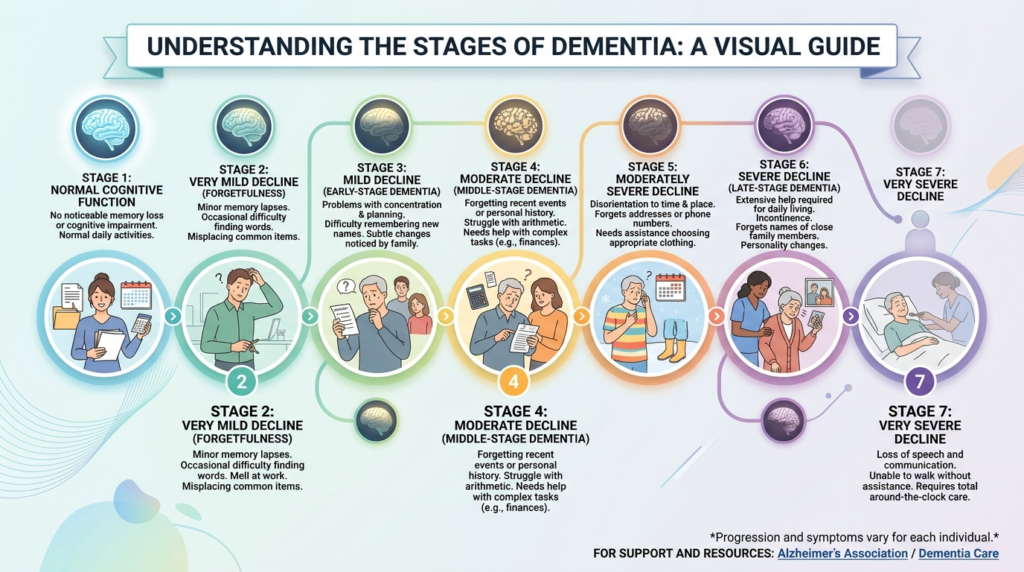
Stages of Dementia Explained: Symptoms, Progression, and Care Tips

Stages of Dementia Explained

Dementia is a progressive condition, meaning its symptoms gradually worsen over time. For individuals and caregivers, understanding how dementia develops is essential for providing the right care at the right stage. Each stage brings different challenges, from mild memory loss to significant cognitive and physical decline. Recognizing these stages early allows for better planning, improved

Stages of Dementia Explained Read More »

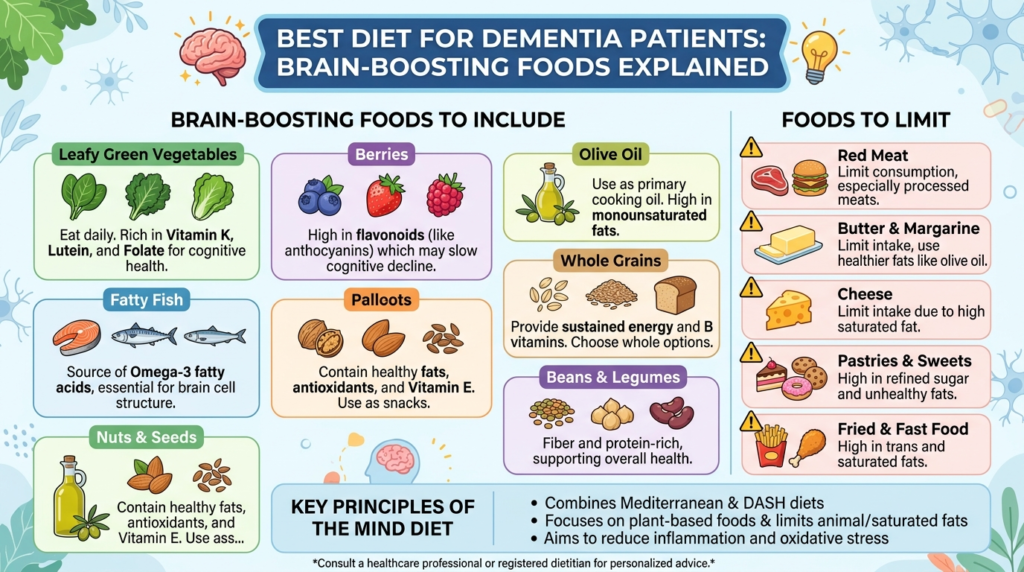
Best Diet for Dementia Patients Brain-Boosting Foods Explained

Best Diet for Dementia Patients: Brain-Boosting Foods Explained

Diet plays a crucial role in brain health, especially for individuals at risk of or living with dementia. While there is no single food that can cure dementia, research shows that certain dietary patterns can help slow cognitive decline, improve memory, and support overall brain function. From a therapist’s perspective, nutrition is a key part

Best Diet for Dementia Patients: Brain-Boosting Foods Explained Read More »

10 Therapist-Recommended Activities for Dementia Patients at Home

10 Therapist-Recommended Activities for Dementia Patients

Keeping individuals with dementia engaged in meaningful activities is essential for maintaining cognitive function, improving mood, and enhancing overall quality of life. Without proper engagement, dementia patients may experience increased confusion, agitation, and emotional distress. From a therapist’s perspective, activities are not just a way to pass time, they are a powerful tool for mental

10 Therapist-Recommended Activities for Dementia Patients Read More »

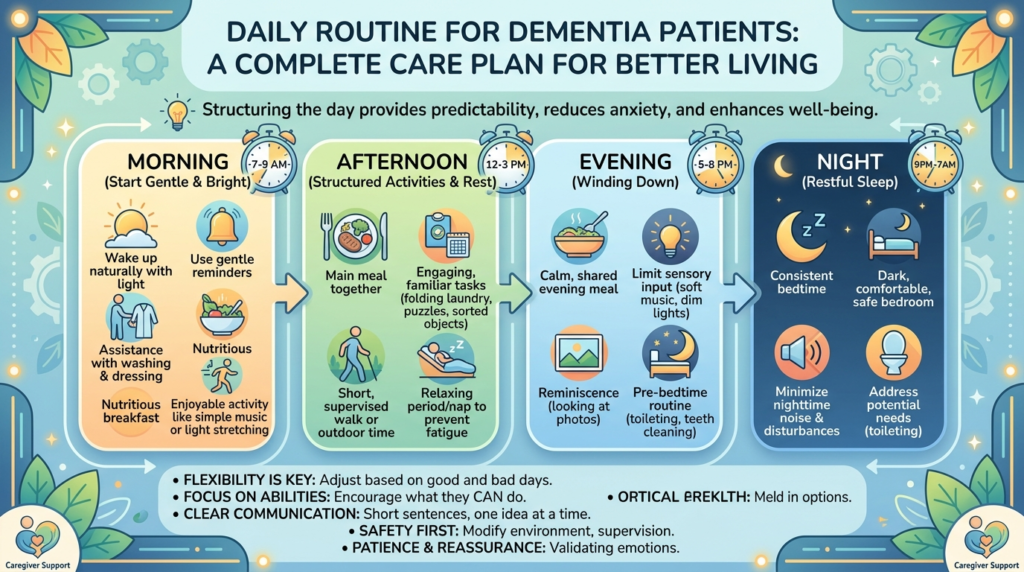
Daily Routine for Dementia Patients: A Complete Care Plan for Better Living

Daily Routine for Dementia Patients:

A daily routine for dementia patients is one of the most effective ways to reduce confusion, improve emotional stability, and support overall well-being. Dementia affects memory, thinking, and behavior, which often makes daily life unpredictable and overwhelming. Without structure, individuals may feel anxious, disoriented, or frustrated. From a therapist’s perspective, creating a consistent daily routine

Daily Routine for Dementia Patients: Read More »

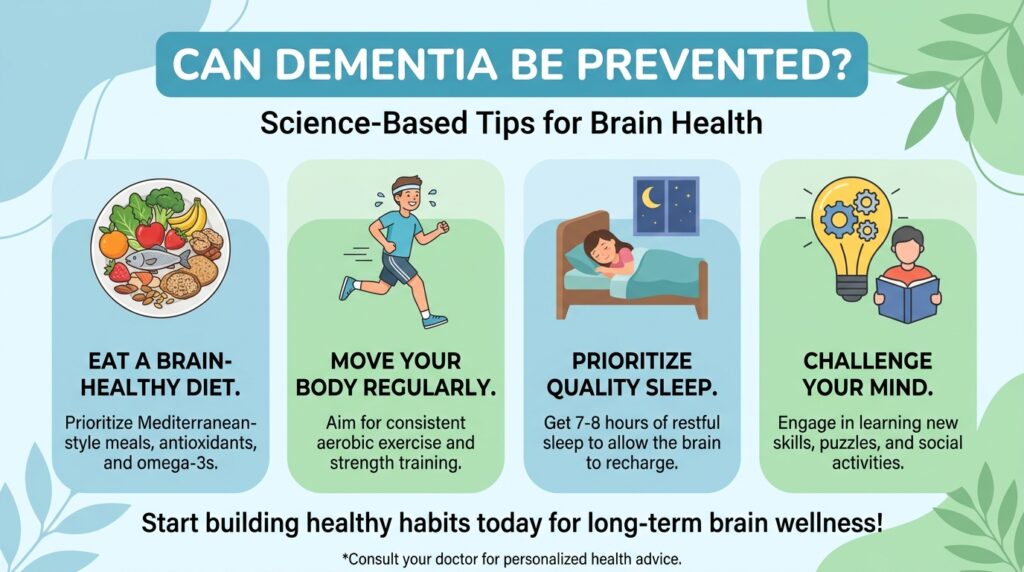
Can Dementia Be Prevented? Science-Based Tips for Brain Health

Can Dementia Be Prevented?

Dementia is one of the most concerning health conditions worldwide, especially as populations age. A common question people ask is: Can dementia be prevented? While there is no guaranteed way to completely prevent dementia, research shows that certain lifestyle choices can significantly reduce the risk and delay its onset. From a therapist’s perspective, prevention is

Can Dementia Be Prevented? Read More »

Stages of Dementia Explained: Symptoms, Progression, and Care Tips

How to Care for Someone with Dementia

Caring for someone with dementia can be emotionally challenging, physically demanding, and mentally exhausting, Therapist-Approved Strategies. As the condition progresses, individuals may lose their ability to communicate, perform daily tasks, or recognize loved ones. For caregivers, this often creates a mix of responsibility, stress, and uncertainty. However, with the right approach, caregiving can become more

How to Care for Someone with Dementia Read More »

Caregiver Burnout in Dementia: Therapist Advice for Stress and Recovery

Caregiver Burnout in Dementia:

Caregiver burnout in dementia is a serious and often overlooked issue that affects millions of caregivers worldwide. Caring for someone with dementia requires constant attention, emotional strength, and physical effort. Over time, this responsibility can become overwhelming, leading to stress, exhaustion, and even depression. Many caregivers feel guilty admitting they are struggling, but the reality

Caregiver Burnout in Dementia: Read More »

Scroll to Top