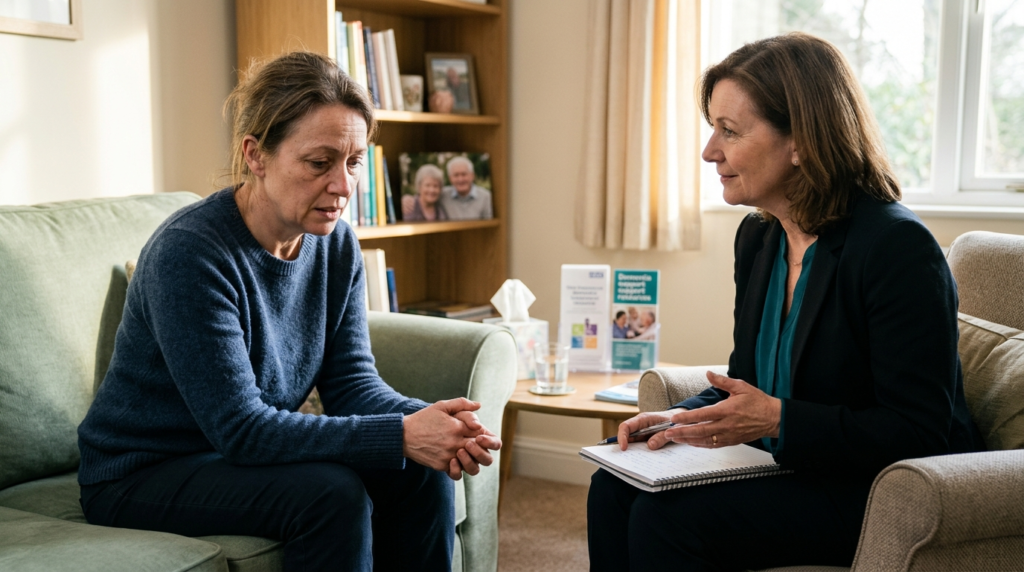
Caregiver burnout in dementia is a serious and often overlooked issue that affects millions of caregivers worldwide. Caring for someone with dementia requires constant attention, emotional strength, and physical effort. Over time, this responsibility can become overwhelming, leading to stress, exhaustion, and even depression.
Many caregivers feel guilty admitting they are struggling, but the reality is that caregiver burnout in dementia is a natural response to prolonged stress. From a therapist’s perspective, recognizing burnout early is essential—not only for the caregiver’s well-being but also for the quality of care provided to the patient.
In this guide, you will learn the signs of caregiver burnout in dementia, its causes, and practical therapist-approved strategies for recovery and stress management.
What Is Caregiver Burnout in Dementia?
Caregiver burnout in dementia refers to a state of physical, emotional, and mental exhaustion caused by the ongoing demands of caregiving. It develops gradually and can affect a caregiver’s health, relationships, and overall quality of life.
Unlike general stress, caregiver burnout in dementia is long-term and deeply connected to emotional strain. Watching a loved one lose memory and independence can be heartbreaking, making caregiving both physically and emotionally draining.
Signs of Caregiver Burnout in Dementia
Recognizing early signs of caregiver burnout in dementia is crucial for prevention and recovery.
Emotional Symptoms
Caregivers may feel constant frustration, irritability, sadness, or anxiety. Emotional exhaustion often leads to feeling disconnected or overwhelmed.
Physical Symptoms
Chronic fatigue, headaches, sleep problems, and weakened immunity are common signs of caregiver burnout in dementia. The body starts showing signs of prolonged stress.
Behavioral Changes
Caregivers may withdraw from social activities, lose interest in hobbies, or feel a lack of motivation. These changes can worsen over time if not addressed.
Mental Symptoms
Difficulty concentrating, forgetfulness, and constant worry are also indicators of caregiver burnout in dementia.
How to Care for Someone with Dementia
Causes of Caregiver Burnout in Dementia
Understanding the causes helps in managing caregiver burnout in dementia effectively.
Long-Term Stress
Dementia care is ongoing, often lasting for years. The lack of breaks can lead to emotional and physical exhaustion.
Emotional Attachment
Watching a loved one decline creates deep emotional pain, which contributes significantly to caregiver burnout in dementia.
Lack of Support
Many caregivers feel alone and unsupported, increasing stress and pressure.
High Responsibility
Managing daily care, medical needs, and emotional support can become overwhelming.
Therapist-Approved Strategies to Overcome Caregiver Burnout
1. Accept Your Limits
One of the most important steps in managing caregiver burnout in dementia is accepting that you cannot do everything perfectly. Caregiving is challenging, and it’s okay to feel overwhelmed.
2. Take Regular Breaks
Short breaks are essential for recovery. Even a few minutes of rest can help reduce stress and improve focus.
3. Build a Support System
Sharing responsibilities with family members, friends, or support groups can reduce the burden of caregiver burnout in dementia.
4. Practice Self-Care Daily
Self-care is not optional—it’s necessary. Activities like exercise, relaxation, and hobbies help restore energy and emotional balance.
5. Seek Professional Help
Therapists and counselors can provide guidance and emotional support. Talking to a professional helps manage stress effectively.
6. Maintain a Routine
A structured routine reduces uncertainty and makes caregiving more manageable.
Daily Routine for Dementia Patients
7. Stay Socially Connected
Isolation increases burnout. Staying connected with others helps maintain emotional health.
Emotional Impact of Caregiver Burnout
Caregiver burnout in dementia affects not only physical health but also emotional well-being. Caregivers may experience guilt, frustration, and sadness, especially when they feel they are not doing enough.
From a therapist’s perspective, it is important to understand that these feelings are normal. Acknowledging emotions instead of suppressing them is the first step toward recovery.
Common Mistakes Caregivers Make
Ignoring Their Own Needs
Many caregivers prioritize the patient completely, neglecting their own health.
Trying to Do Everything Alone
This increases stress and accelerates caregiver burnout in dementia.
Avoiding Help
Asking for help is a strength, not a weakness.
Daily Stress Management Tips
- Practice deep breathing or meditation
- Take short walks
- Maintain a healthy diet
- Get enough sleep
- Set realistic expectations
These small habits can significantly reduce caregiver burnout in dementia over time.
Therapist Perspective on Recovery
Recovery from caregiver burnout in dementia requires time, patience, and consistent effort. It is not about eliminating stress completely but learning how to manage it effectively.
Caregivers who prioritize their own well-being are better able to provide quality care and maintain emotional balance.
Conclusion
Caregiver burnout in dementia is a real and serious challenge, but it can be managed with the right strategies and support. By recognizing the signs early, taking breaks, building a support system, and practicing self-care, caregivers can protect their mental and physical health.
From a therapist’s perspective, caring for yourself is just as important as caring for your loved one. A healthy caregiver can provide better, more compassionate care.
FAQs
Q1: What is caregiver burnout in dementia?
It is physical, emotional, and mental exhaustion caused by long-term caregiving.
Q2: What are the signs of caregiver burnout?
Fatigue, stress, irritability, and lack of motivation.
Q3: How can caregivers reduce stress?
By taking breaks, seeking support, and practicing self-care.
Q4: Is caregiver burnout common?
Yes, it is very common among dementia caregivers.
Q5: When should caregivers seek help?
When stress becomes overwhelming or affects daily functioning.