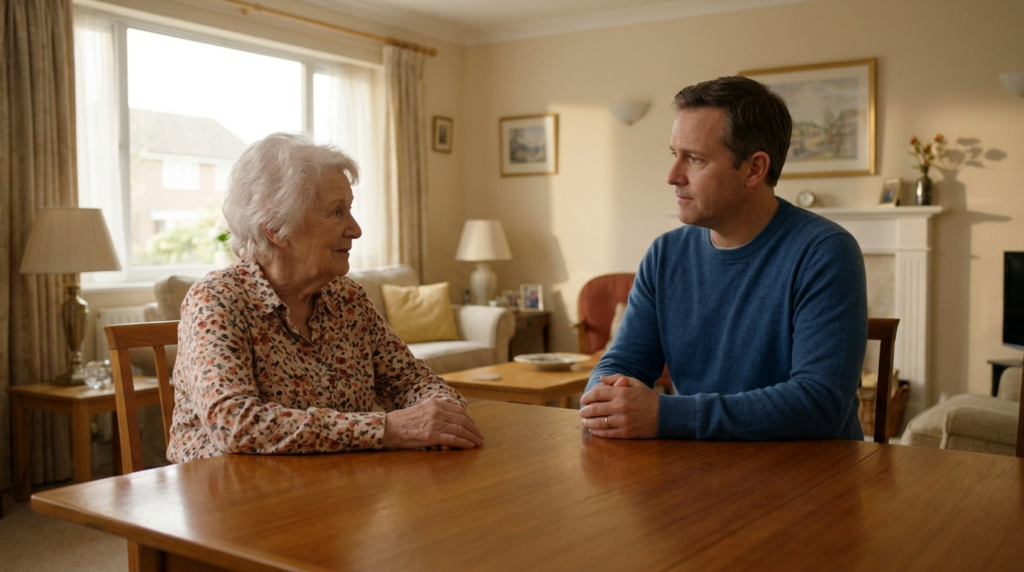
Keeping individuals with dementia engaged in meaningful activities is essential for maintaining cognitive function, improving mood, and enhancing overall quality of life. Without proper engagement, dementia patients may experience increased confusion, agitation, and emotional distress.
From a therapist’s perspective, activities are not just a way to pass time, they are a powerful tool for mental stimulation, emotional connection, and behavioral stability. The right activities can help reduce anxiety, improve memory, and create a sense of purpose.
In this guide, you’ll discover 10 therapist-recommended activities for dementia patients at home, designed to be simple, practical, and effective for all stages of dementia.
Why Activities Are Important for Dementia Patients
Engaging in regular activities provides multiple benefits:
- Stimulates brain function
- Reduces boredom and agitation
- Improves mood and emotional well-being
- Encourages social interaction
- Maintains physical movement
Stages of Dementia Explained
Activities should always be adapted to the individual’s ability level to avoid frustration.
10 Best Therapist-Recommended Activities
1. Memory Games and Puzzles
Simple puzzles, matching games, or memory cards help stimulate cognitive function and improve focus.
Tips:
- Use easy-level puzzles
- Avoid complex challenges
- Focus on enjoyment rather than performance
2. Music Therapy
Music has a powerful impact on memory and emotions. Familiar songs can trigger positive memories and improve mood.
Ideas:
- Play favorite songs
- Encourage singing
- Use calming background music
Music often works even in later stages of dementia.
3. Light Physical Exercise
Physical activity improves blood flow to the brain and reduces stress.
Activities:
- Walking
- Stretching
- Gentle yoga
Even short sessions can boost mood and energy.
4. Art and Craft Activities
Creative activities allow self-expression and reduce anxiety.
Examples:
- Drawing
- Painting
- Coloring
No artistic skill is required—focus on the process, not the result.
5. Reminiscence Therapy
Talking about past experiences can be comforting and engaging.
Methods:
- Looking at old photos
- Sharing stories
- Discussing familiar memories
How to Communicate with Dementia Patients
This helps strengthen emotional connection.
6. Household Tasks
Simple household activities can provide a sense of purpose.
Examples:
- Folding clothes
- Setting the table
- Watering plants
These tasks should be safe and easy to perform.
7. Sensory Activities
Sensory stimulation can be calming and engaging.
Ideas:
- Touching different textures
- Smelling familiar scents
- Listening to nature sounds
This is especially useful in later stages.
8. Reading or Listening to Stories
Reading simple texts or listening to audiobooks can help maintain focus and engagement.
Tips:
- Choose short and simple content
- Use familiar topics
- Read together if needed
9. Social Interaction Activities
Spending time with others improves emotional well-being.
Examples:
- Family conversations
- Group activities
- Video calls
How to Care for Someone with Dementia
Social connection reduces isolation.
10. Gardening or Nature Activities
Being in nature has a calming effect and improves mood.
Activities:
- Planting flowers
- Watering plants
- Sitting outdoors
Nature-based activities reduce stress and anxiety.
How to Choose the Right Activity
Not every activity works for every person. Consider:
- Stage of dementia
- Physical ability
- Personal interests
- Energy level
Early Signs of Dementia
The goal is engagement, not perfection.
Common Mistakes to Avoid
Choosing Activities That Are Too Difficult
This can cause frustration and reduce confidence.
Forcing Participation
Allow the individual to choose and enjoy activities naturally.
Ignoring Emotional Response
If an activity causes stress, switch to something more calming.
Therapist Tips for Better Engagement
- Keep activities short and simple
- Provide clear instructions
- Use positive reinforcement
- Maintain a calm environment
- Focus on enjoyment, not results
Consistency is more important than intensity.
Creating a Daily Activity Routine
A structured routine improves engagement and reduces confusion.
Example:
- Morning: Light exercise
- Afternoon: Creative activity
- Evening: Music or relaxation
Daily Routine for Dementia Patients
Routine creates stability and comfort.
Benefits of Regular Activities
With consistent engagement, dementia patients may experience:
- Improved mood
- Reduced anxiety
- Better cognitive function
- Increased social interaction
- Enhanced quality of life
Activities play a key role in overall care.
- Stages of Dementia
- Care Guide
- Communication Guide
- Daily Routine
- Early Signs
Conclusion
Activities are an essential part of dementia care. They provide mental stimulation, emotional comfort, and a sense of purpose. By choosing simple, enjoyable, and meaningful activities, caregivers can significantly improve the daily experience of individuals with dementia.
From a therapist’s perspective, the goal is not perfection—it’s connection, engagement, and well-being.
Small activities, when done consistently, can make a big difference.
FAQs
Q1: What activities are best for dementia patients?
Simple activities like music, puzzles, and light exercise are most effective.
Q2: How often should dementia patients do activities?
Daily engagement is recommended, even if activities are short.
Q3: Can activities slow dementia progression?
They can help maintain cognitive function and improve quality of life.
Q4: What should caregivers avoid?
Avoid complex tasks, forcing participation, and stressful activities.
Q5: Are activities useful in late-stage dementia?
Yes, sensory and music-based activities are especially helpful.